BLIP.
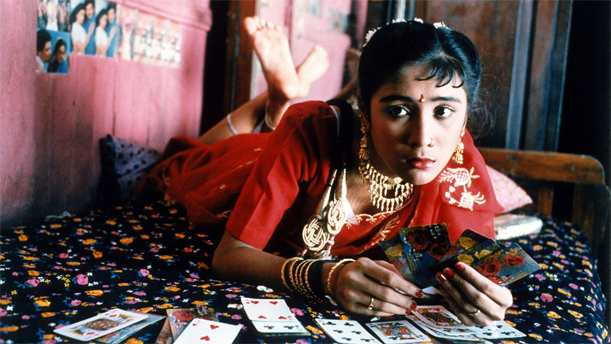
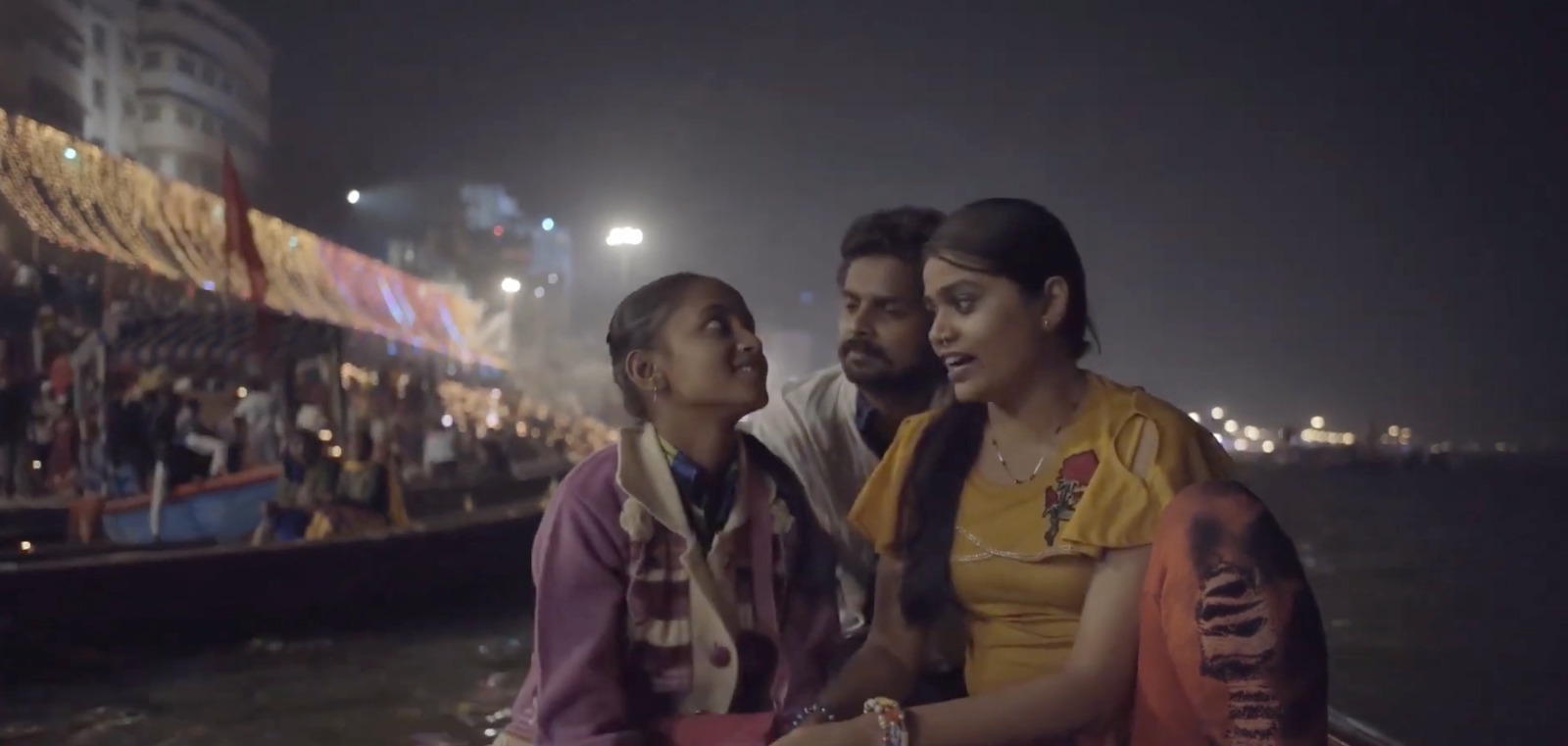
Aag (2007) poster
RGV ka AAG HINDI · 2007

Religion is the opium of the masses

The unique stories arrange together with the theme of religion and faith. These intriguing stories gradually progress from dystopian to utopian settings.

BUILDING COMMUNITY 28/03/2026

Remakes,
Reboots,
Ruins.

The problem isn't too many remakes, it's too little reinterpretation. A story travelled from one language to another, picked up new weather, new accents, new moral anxieties. It arrived changed. Alive. Necessary.

Today, a remake often arrives like laminated memory. Smooth, sealed, strangely airless. Indian cinema is not suffering from too many remakes, it is suffering from too little remembering.
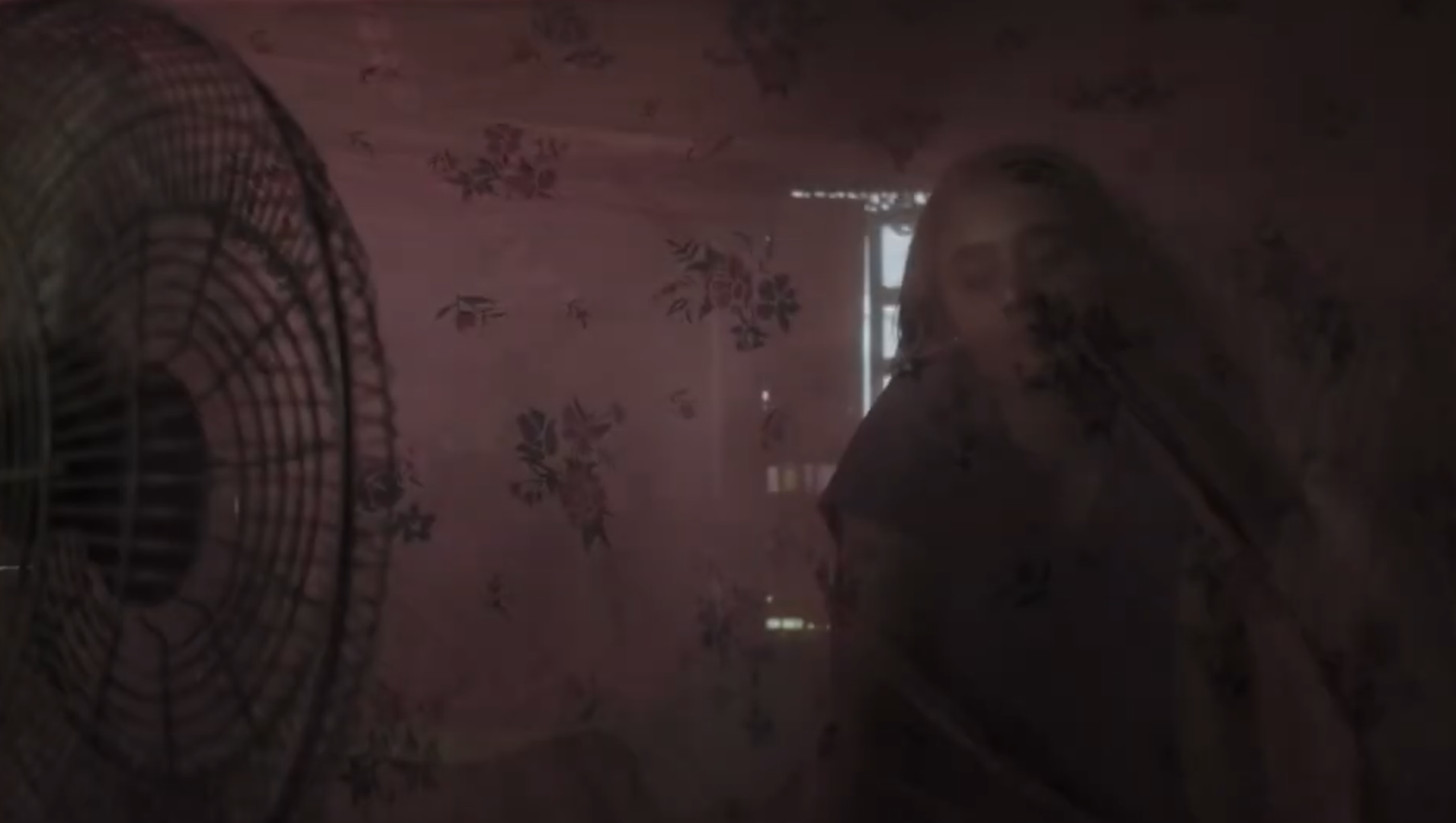
Aag (2007) poster
REM IS AAG · 2007

Religion is the opium of the masses

The unique stories Arrange together with the theme of religion and faith. These in our voices we are saving the screen from dystrophe in cinemic writings.

The Difference Between Memory and Recycling

Cinema has always recycled itself. Myth became folklore, folklore became melodrama, melodrama became mass cinema. No one accused storytellers of reproduction when the language so dramatically changed. They simply changed. Mahabharat-e-Azam or Devdas reappeared across generations; those weren't copies. They were reinterpretations of emotional architecture.

A remake exists when it asks:

A reboot tells when it asks

What does this story mean now?

A reboot tells when it asks

What did audiences already like?

The difference is intention. One remembers. One reformats forward. The other loops backward.

SCREENING + Q&A

When Nostalgia Becomes a Business Model

Modern Indian remakes often operate like memory extraction machines. They identify a beloved film, isolate its "iconic" parts, and reproduce them with out context.

Songs return first. Then dialogue. Then costumes. Then entire frames.

But memory is not built from fragments, it is built from atmosphere. Take Ram Gopal Varma Ki Aag, the attempted reinvention of Sholay. The original lived in dust, silence, friendship, absence, and menace. The remake reproduced surface elements but lost the temperature of the world it came from. What remained was resemblance without resonance.

The tragedy of many reboots is not that they are bad films. It is that they misunderstand what made the originals unforgettable.

They mistake quotation for memory.

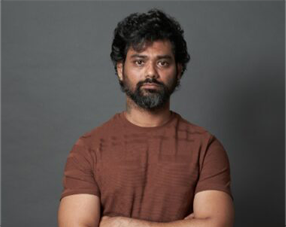
SAGAR DESHMUKH

The Streaming Era and the Algorithmic Remake

Streaming platforms did something subtle to nostalgia. They turned it into searchable property.

Now films are revived not because they demand reinterpretation, but because they promise recognition. A familiar title reduces risk. A remembered song guarantees clicks. A known character travels faster across recommendation engines.

The remake becomes metadata with actors.

This is why contemporary reinterpretations often feel thinner than the films they inherit. They are designed to be discovered quickly rather than re-membered slowly. Cinema rewards memory. The algorithm rewards familiarity.

This story deserves to reach a new generation.

When Remakes Work in India

Remakes succeed when they translate social anxiety, not just plot. Consider Kabir Singh, adapted from Arjun Reddy. Whether one loves or rejects the film is secondary. What matters is that it sparked a national conversation about masculinity, entitlement, and romantic violence. It did not merely repeat its source. It relocated its discomfort into a new linguistic and cultural audience.

Similarly, older cross-language remakes between Tamil, Telugu, Malayalam, and vivid industries often worked because they acknowledged regional differences. They translated humor, recast family dynamics, even silence itself.

They did not assume universality. They negotiated with it.

The Dangerous Myth of the "Timeless Classic"

Every time a studio announces a remake of a beloved film, the justification sounds familiar:

"This story deserves to reach a new generation."

But a story reaches a new generation by being retold differently, not by being replayed louder. When Don reimagined Don, it shifted tone, pace, and moral ambiguity. It updated paranoia. It re-structured identity. It changed what the twist meant in a surveillance era world.

That is adaptation.

When nostalgia becomes preservation instead of interpretation, cinema stops evolving. It begins archiving itself while pretending to move forward.

SHINJANA is a science journalist based in Copenhagen. She was previously an editor at National Geographic, Smithsonian, and Popular Mechanics.

Enter the
Blip.


NEVER MISS A POST

SCREENING + Q&A MUMBAI

Maharashtrian men don't cry.

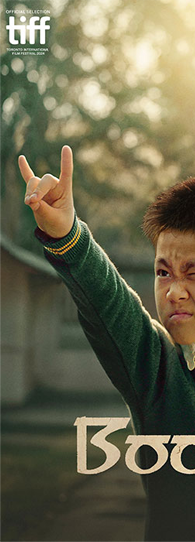
Rohan Kanawade on why chose to challenge heartland sexuality and vulnerability through in Sundance Winner Sabar Bonda (Cactus Tears)

01/04/2026 91 MINS
SCREENING + Q&A MUMBAI

Maharashtrian men don't cry.

Rohan Kanawade on why chose to challenge heartland sexuality and vulnerability through in Sundance Winner Sabar Bonda (Cactus Tears)

01/04/2026 91 MINS
SCREENING + Q&A MUMBAI

Maharashtrian men don't cry.

Rohan Kanawade on why chose to challenge heartland sexuality and vulnerability through in Sundance Winner Sabar Bonda (Cactus Tears)

01/04/2026 91 MINS