
The problem isn't too many remakes, it's too little reinterpretation. Bollywood remembers the surface and forgets the soul.
There was a time when a remake meant repetition. Mythology. A story travelled from one language to another, picked up new weather, new accents, new moral anxieties. It arrived changed. Alive. Necessary.
Today, a remake often arrives like laminated memory. Smooth, sealed, strangely airless.
Indian cinema is not suffering from too many remakes. It is suffering from too little remembering.
The Difference Between Memory and Recycling
Cinema has always recycled itself. Myth becomes folklore, folklore becomes melodrama, melodrama becomes mass cinema. No one accused storytellers of theft when epics became films like Mughal-e-Azam or Devdas reappeared across generations. Those weren't copies. They were reinterpretations of emotional architecture.
The difference is intention. One remembers forward. The other loops backward.
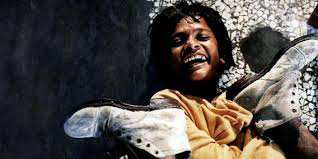
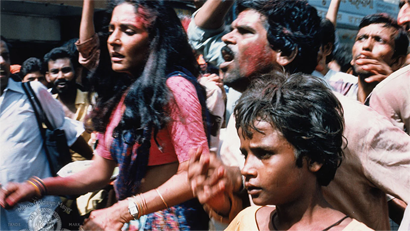
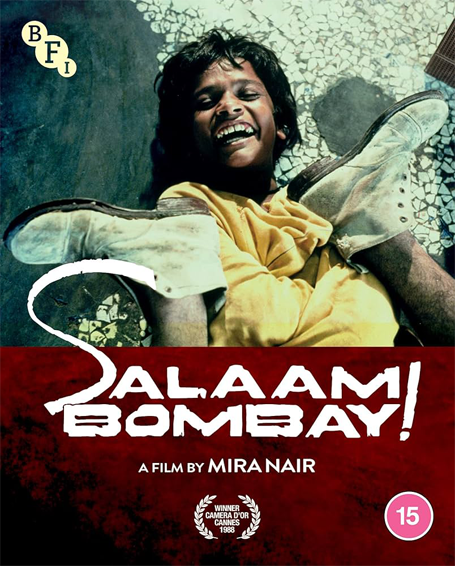
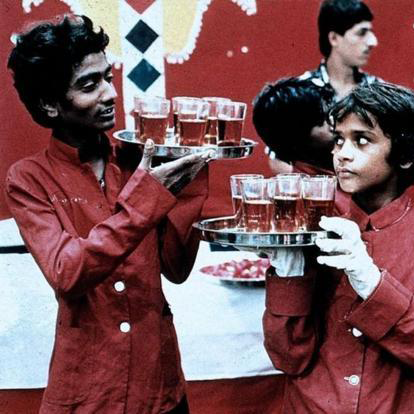
Salaam Bombay! proved that Indian stories from the margins could command global attention without compromise.
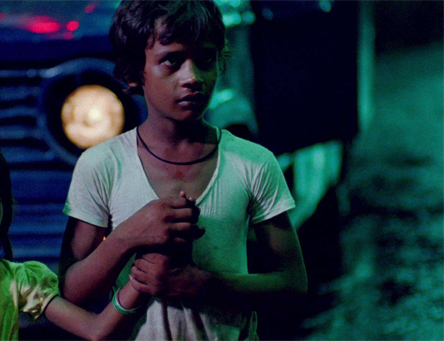
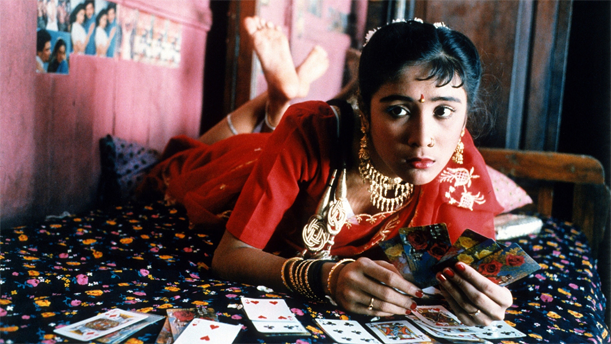
It opened the door for independent filmmakers to be seen, funded, and taken seriously beyond mainstream cinema.
When Nostalgia Becomes a Business Model
Modern Indian remakes often operate like memory extraction machines. They identify a beloved film, isolate its "iconic" parts, and re-produce them without context.
Songs return first. Then dialogue. Then costumes. Then entire frames. But memory is not built from fragments. It is built from atmosphere.
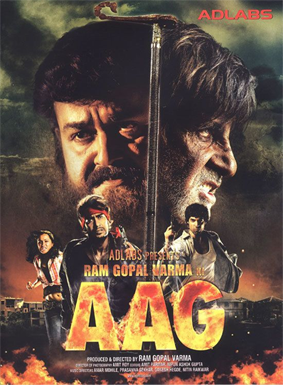
Take Ram Gopal Verma's 92 Aag, the attempted reinvention of Sholay. The original lived in dust, silence, friendship, absence, and menace. The remake reproduced surface elements but lost the moral non-negotiability of the world it came from. What remained was resemblance without resonance.
The tragedy of many reboots is not that they are bad films. It is that they misunderstand what made the originals unforgettable.
The Streaming Era and the Algorithmic Remake
Streaming platforms did something subtle to nostalgia. They turned it into searchable property.
Now films are revived not because they demand reinterpretation, but because they promise recognition. A familiar title reduces risk. A re-membered song guarantees clicks. A known character travels faster across recommendation engines.
The remake becomes metadata with actors.
Cinema once waited for audiences to arrive. Now it meets them halfway with déjà vu.
"This story deserves to reach a new generation."
When Remakes Work in India
Remakes succeed when they reassign social anxiety, not just plot.
Consider Kabir Singh, adapted from Arjun Reddy. Whether one loves or rejects the film is secondary. What matters is that it triggered a national conversation about masculinity, entitlement, and romantic violence. It did not merely repeat its source. It relocated its discontent into a new linguistic and cultural audience.
They did not assume universality. They negotiated it.

The Dangerous Myth of the "Timeless Classic"
Every time a studio announces a remake of a beloved film, the justification sounds familiar: "This story deserves to reach a new generation."
But a story reaches a new generation by being retold differently, not by being replayed louder. When Don reimagined Don, it shifted tone, pace, and moral ambiguity. It updated paranoia. It restructured identity. It changed what the twist meant in a surveillance-era world.
That is adaptation.
When nostalgia becomes preservation instead of interpretation, cinema stops evolving. It begins archiving itself while pretending to move forward.

Written by
Shinjana Chakraborty
Writes about cinema, memory and the politics of preservation. Mumbai.